Why one face behaves like two
Sebaceous glands are not distributed evenly. The forehead, nose, and chin carry far more of them per square centimeter than the cheeks and jawline, which is why the T-zone shines while the outer face can feel tight in the same hour. Combination skin is not a malfunction — it is the most common distribution there is. The mistake is treating the whole face as if it were the shiniest part of it.
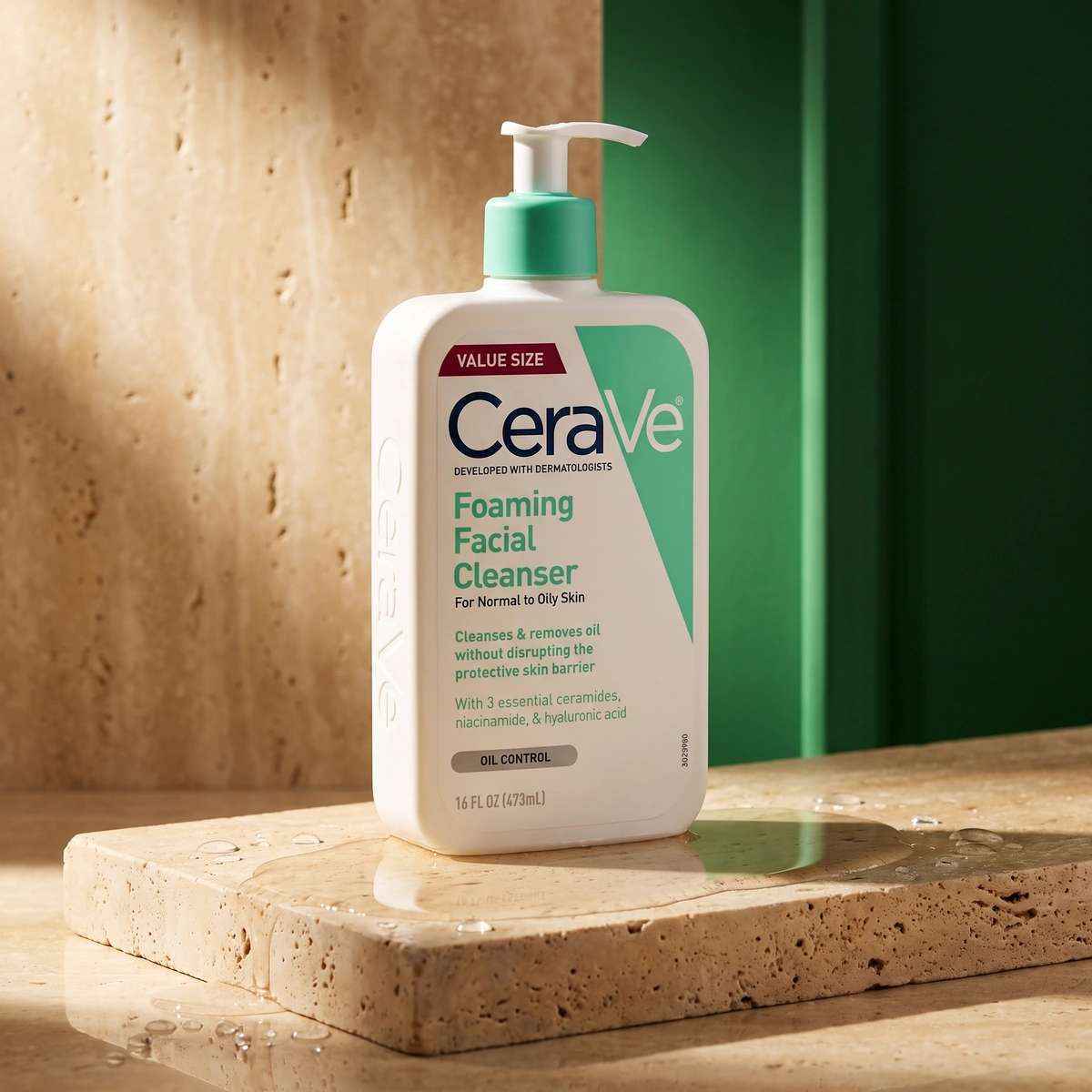
Aggressive cleansers and frequent strong acids can irritate the cheeks, while very rich creams may feel too heavy on an oily T-zone. A practical combination-skin routine keeps shared steps mild and targets stronger products only where they are needed.
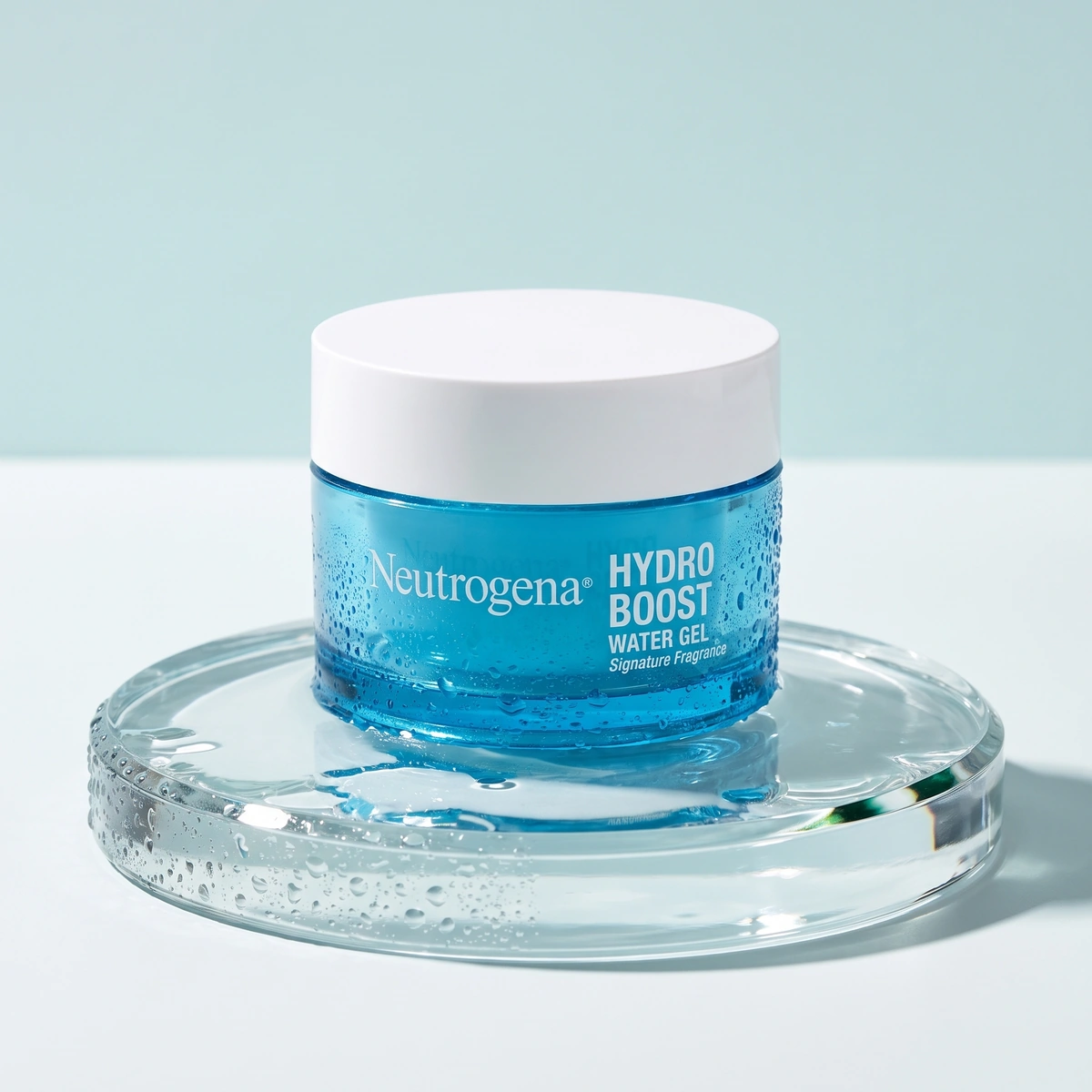
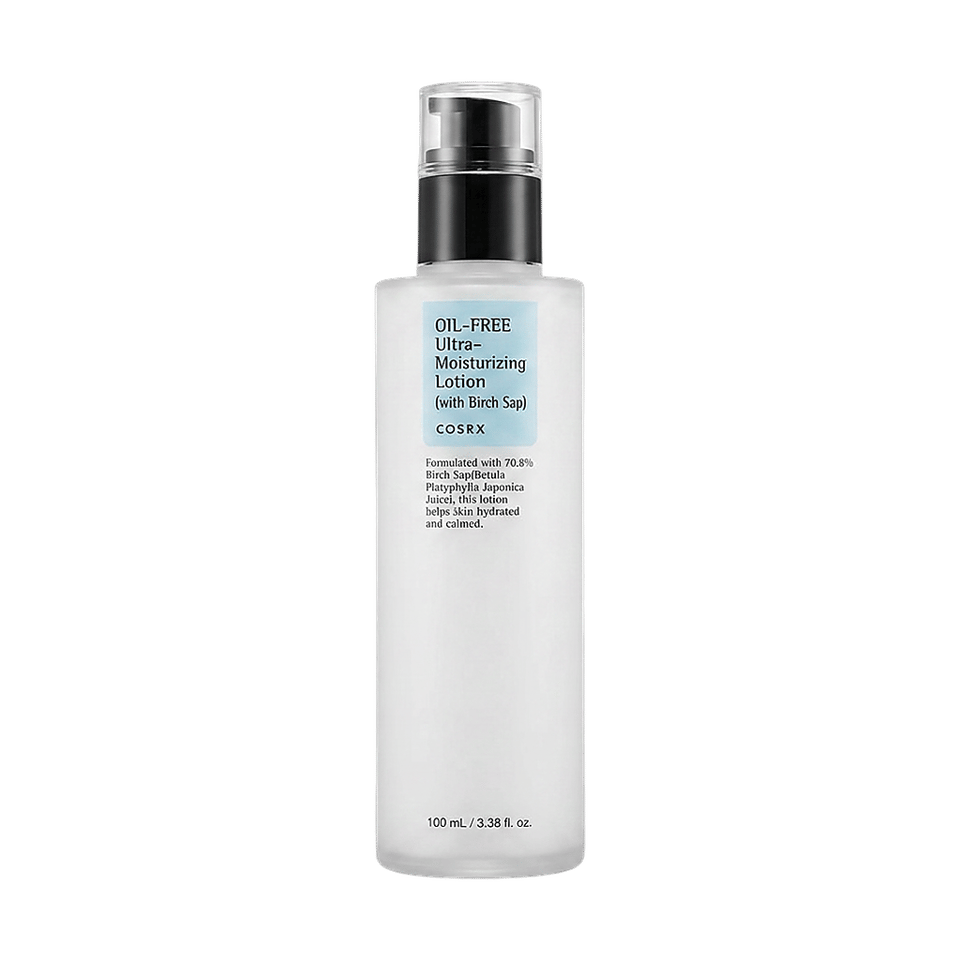
Combination skin also drifts with the seasons. Most people become noticeably drier in winter and oilier in humid summer months. Rather than buying a whole second routine, keep the same cleanser and treatment and change only the final step: a gel-cream in summer, a richer cream layered over the cheeks in winter.
Zone treatment without doubling your shelf
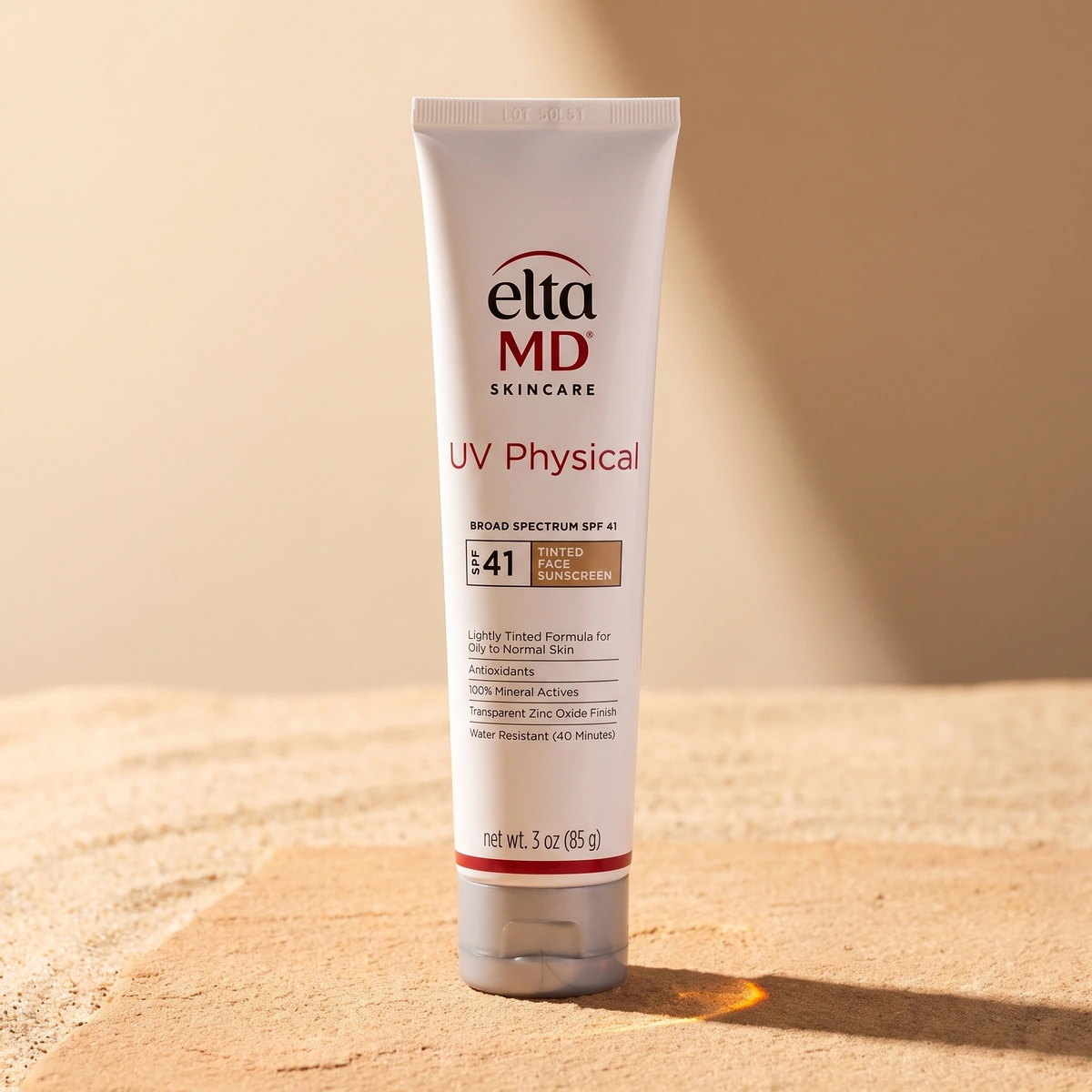
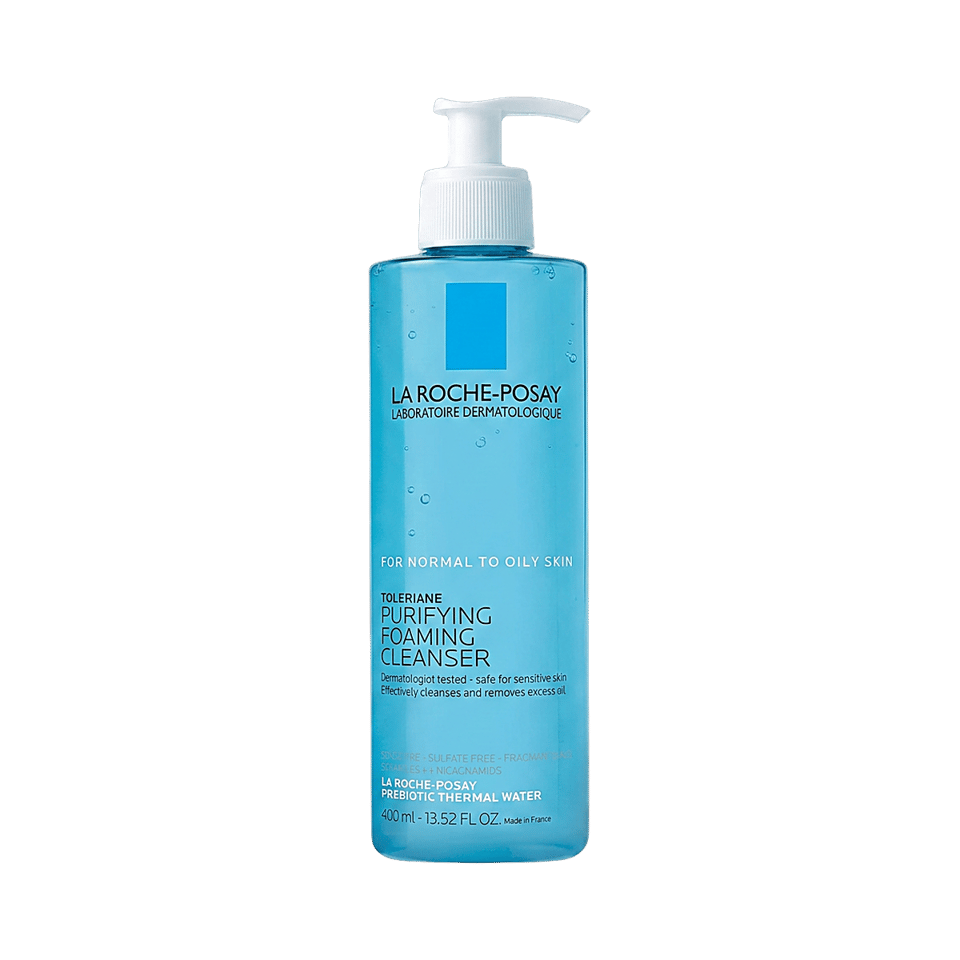
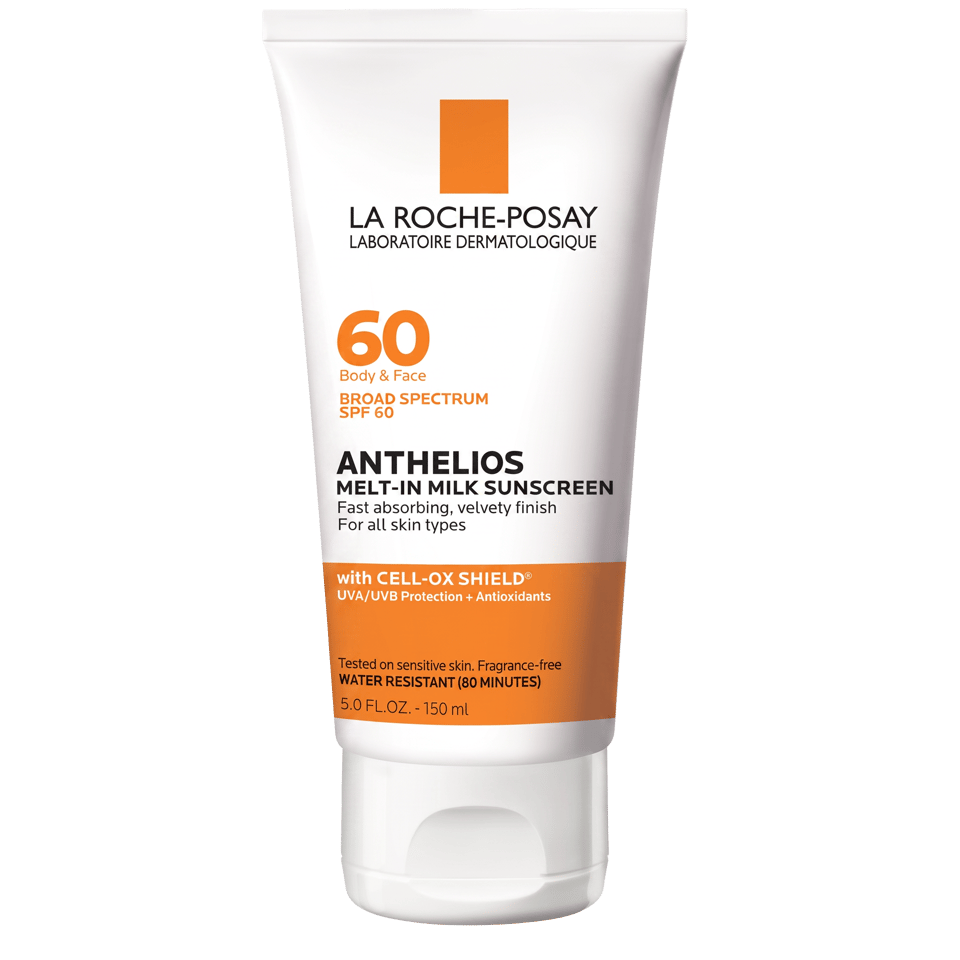
You do not need two of everything. Three products stay universal — cleanser, hydrating serum, and sunscreen — and only two change by zone: your exfoliant and your moisturizer. That is a five-product routine that handles two skin types at once.
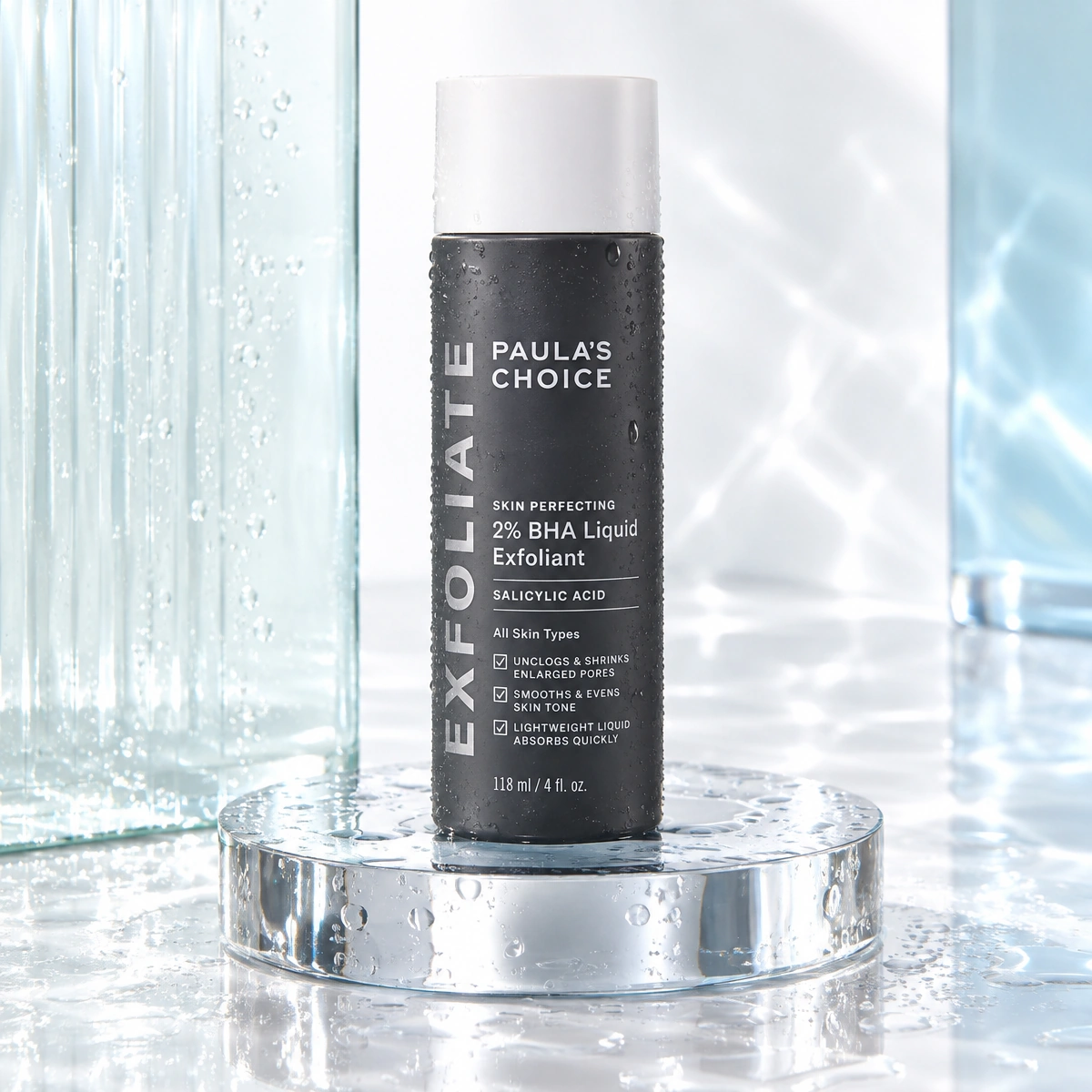
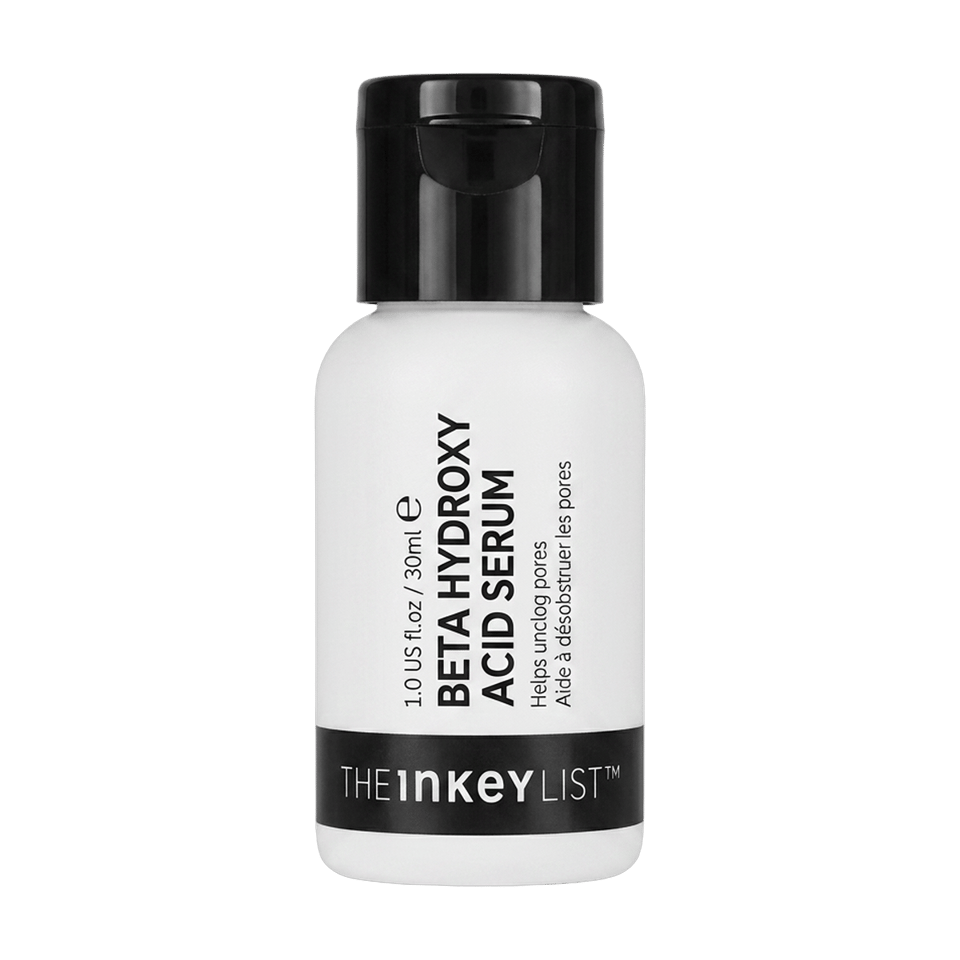
For a congested T-zone, a leave-on salicylic-acid product can be useful because salicylic acid is oil-soluble and helps unclog pores. Use it at the frequency on the label and your skin tolerates, and consider limiting application to congested areas before moisturizing by zone.
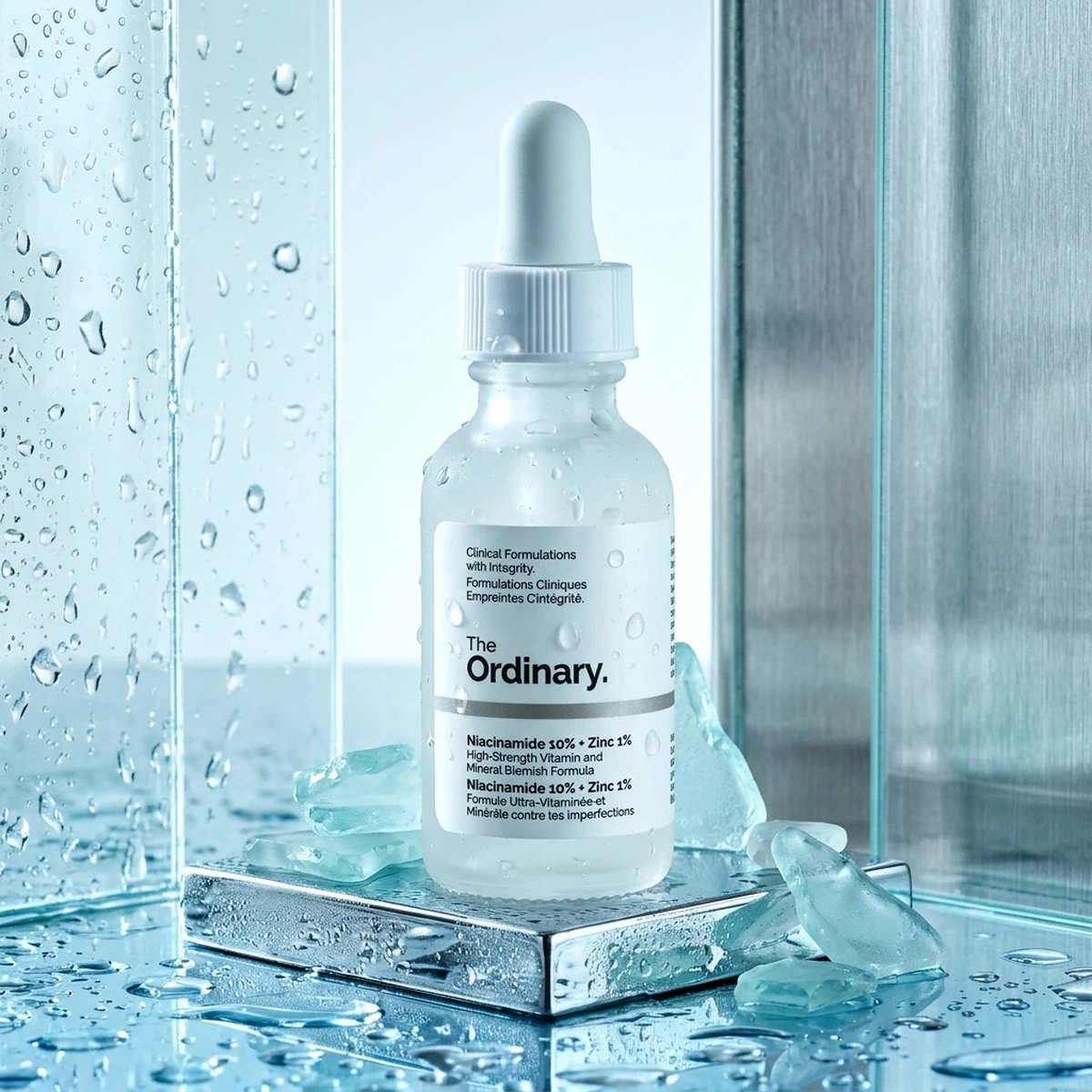
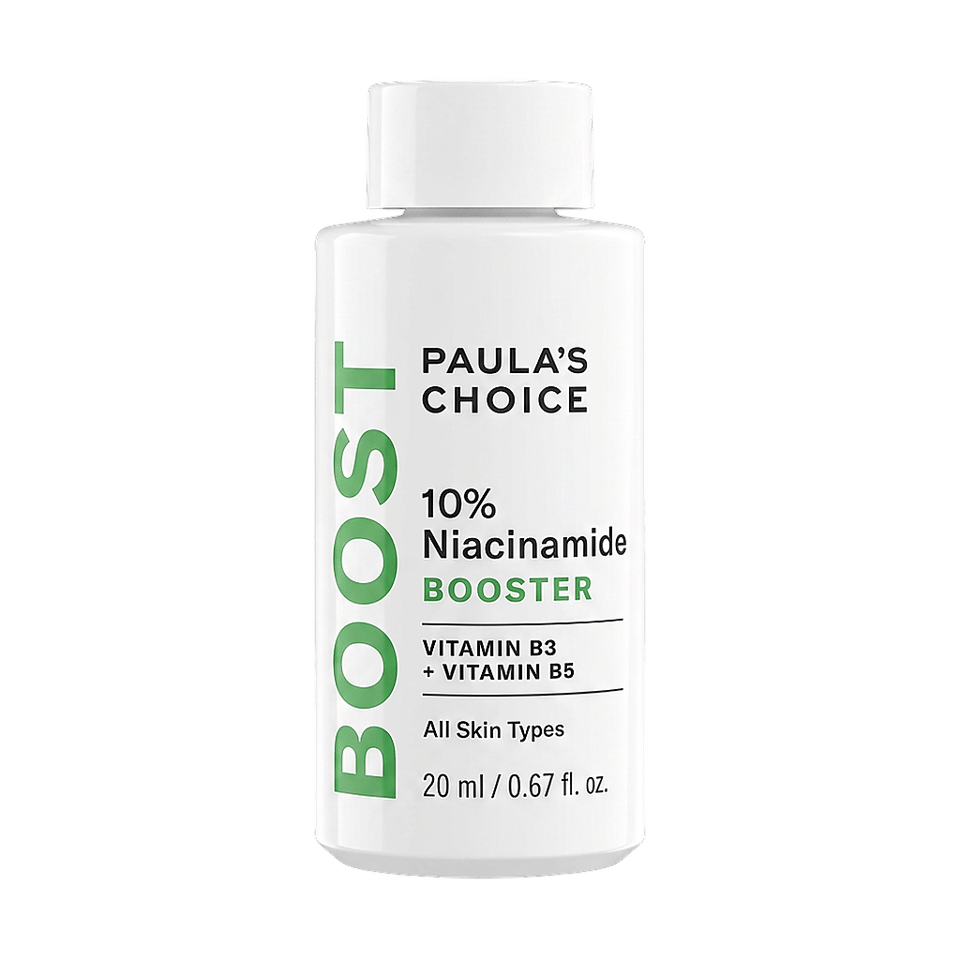
Niacinamide is the ingredient that suits both zones at once: it moderates sebum output, supports the barrier, and reduces the look of pores over several weeks. A 4 to 5 percent serum applied everywhere in the morning is one of the few genuinely all-over actives combination skin tolerates well. Retinol also works face-wide, but buffer it on the cheeks by applying moisturizer first there.
Troubleshooting the two most common complaints
"My nose is still congested after months." Blackheads are oxidized sebum inside a pore, not dirt, so scrubs and pore strips mainly change the surface. Consistent BHA use, a non-comedogenic moisturizer, and an appropriate treatment trial can help; a retinoid is another option, but spacing should be based on tolerance and product directions.
"My cheeks flake but my forehead is greasy by lunch." This is usually over-cleansing. Cut to one gentle gel cleanse at night and a plain water rinse in the morning for two weeks, keep hydration light and consistent, and see where the skin settles. A stripped barrier is extremely common and can look identical to naturally oily skin, but the discomfort and shine usually settle once the barrier is intact.
If both zones flare at once with redness and stinging, stop all actives for seven to ten days. Cleanser, a simple moisturizer, and sunscreen only. Reintroduce one product at a time, spaced a week apart, so you learn which one your skin objects to instead of guessing.