Why one face behaves like two
Sebaceous glands are not distributed evenly. The forehead, nose, and chin carry far more of them per square centimeter than the cheeks and jawline, which is why the T-zone shines while the outer face can feel tight in the same hour. Combination skin is not a malfunction — it is the most common distribution there is. The mistake is treating the whole face as if it were the shiniest part of it.
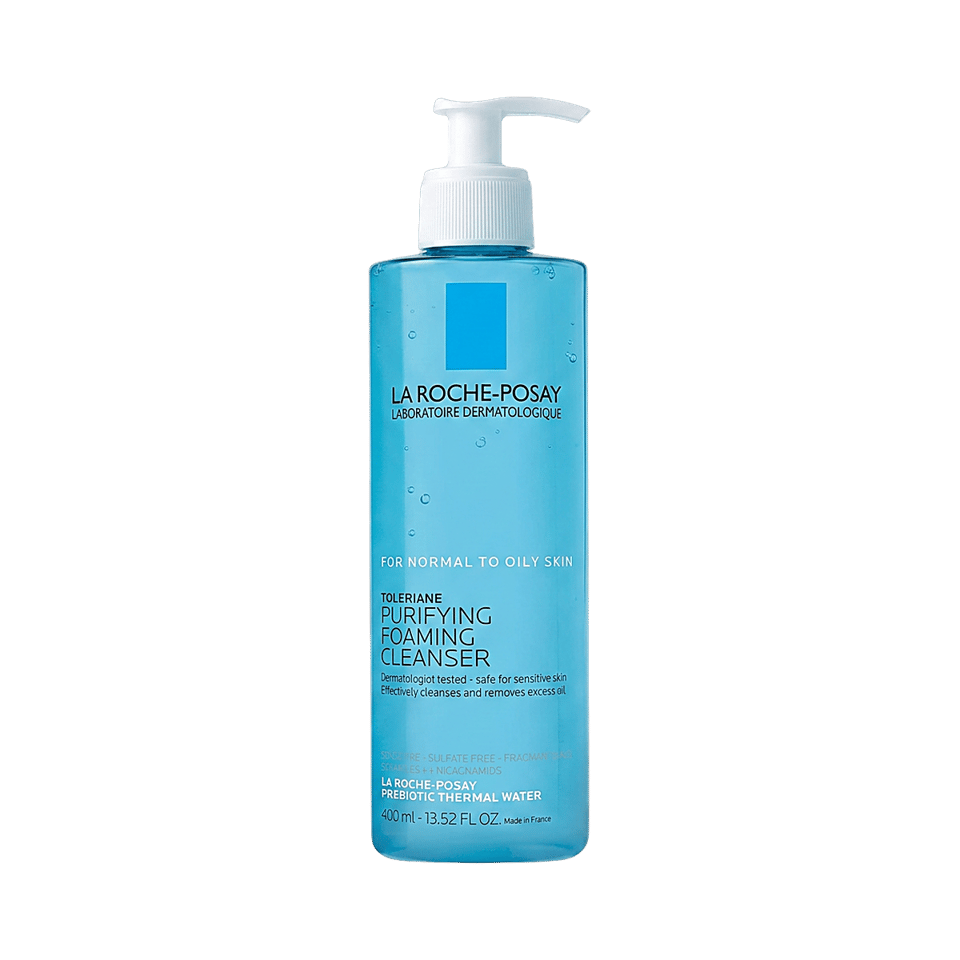
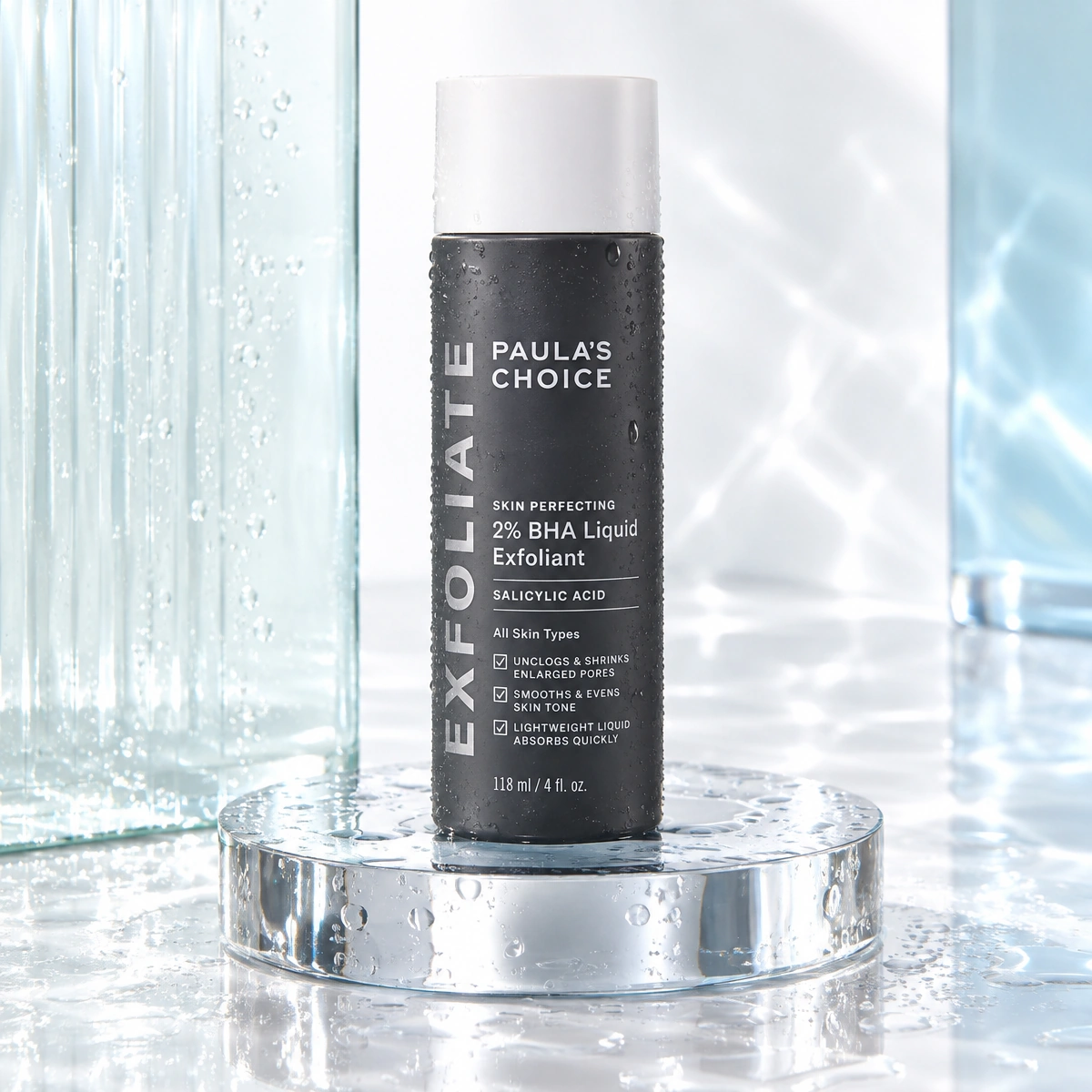
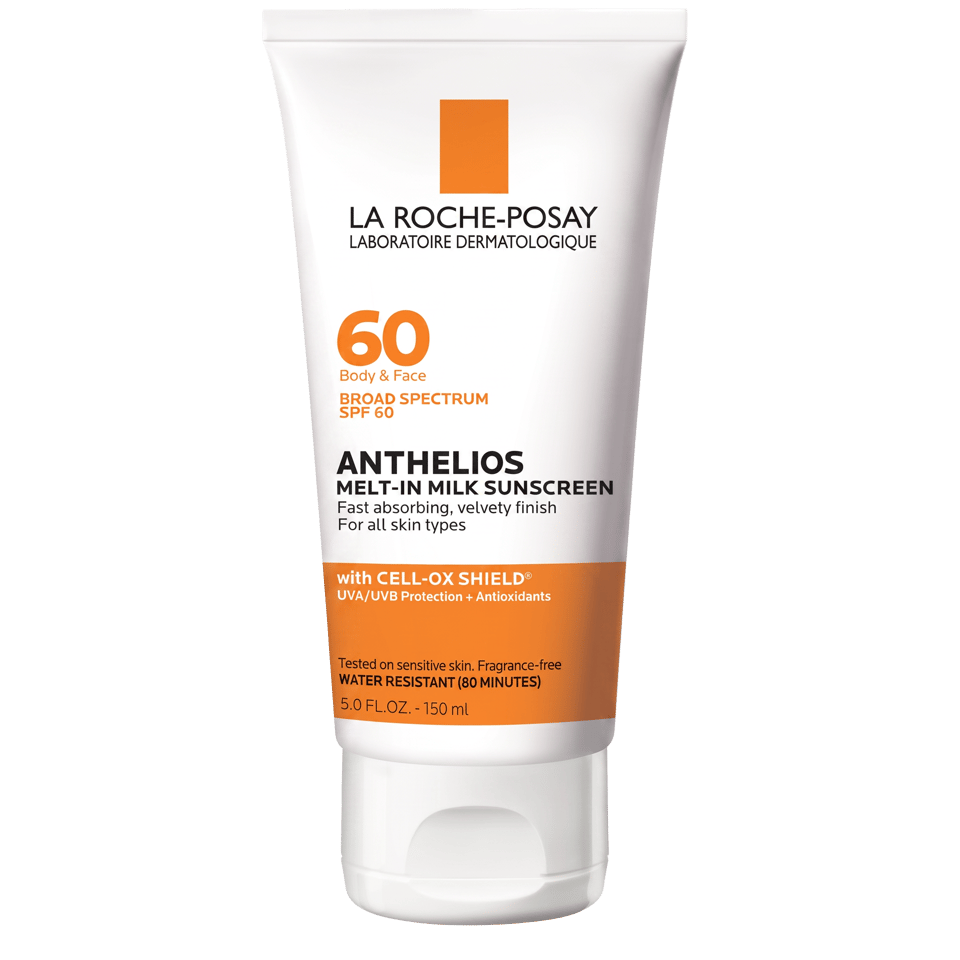
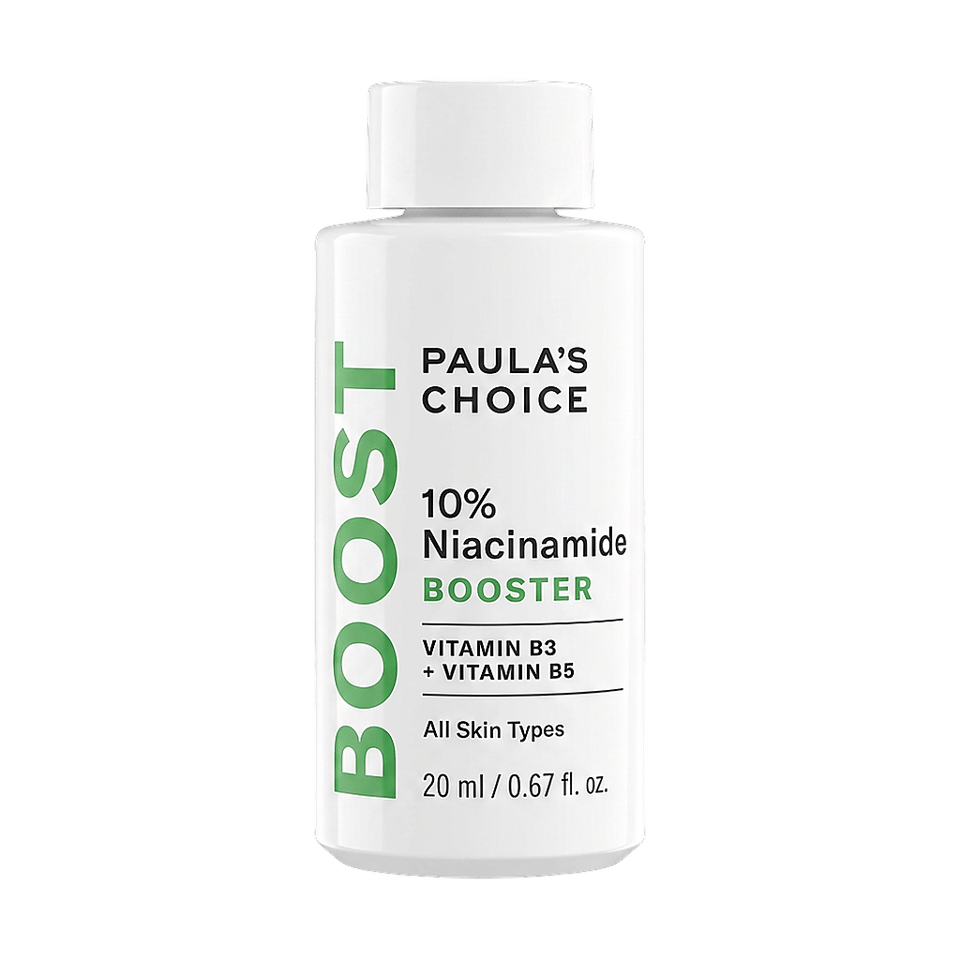
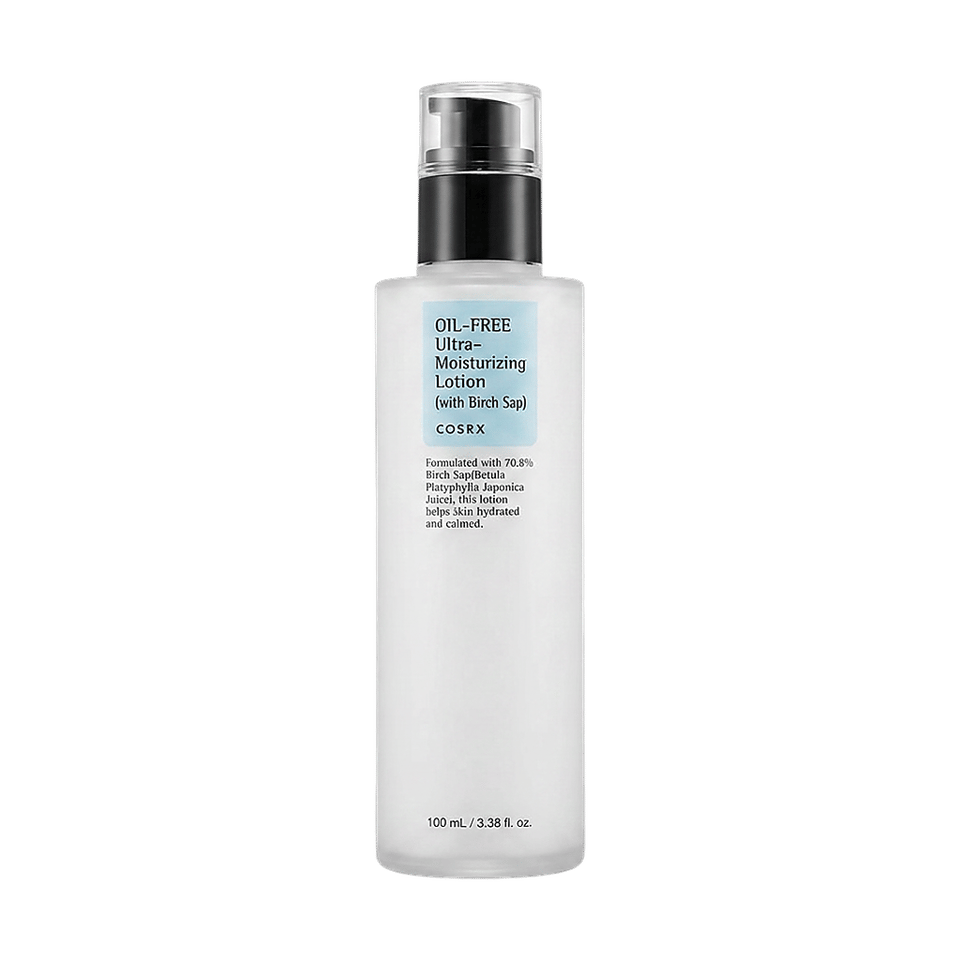
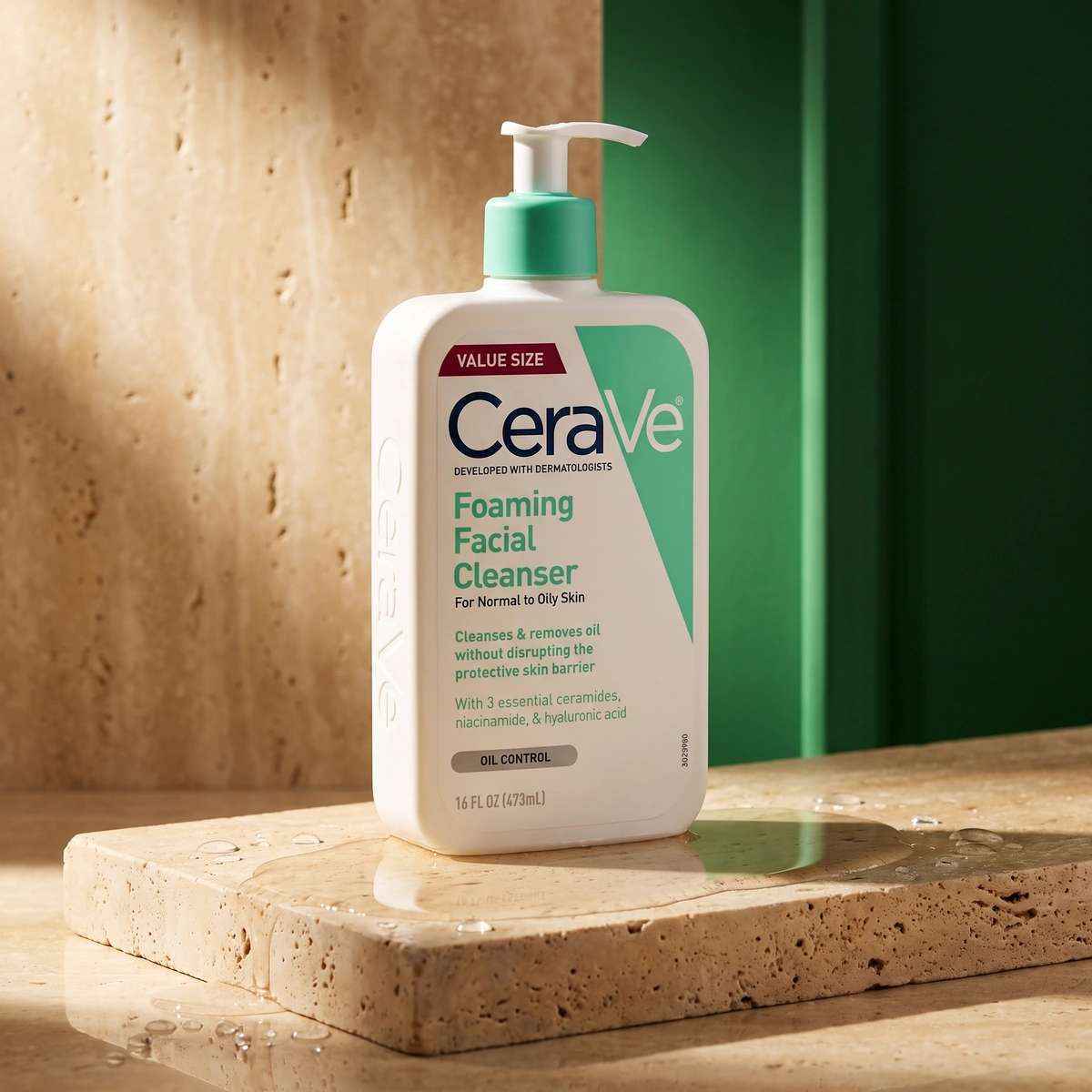
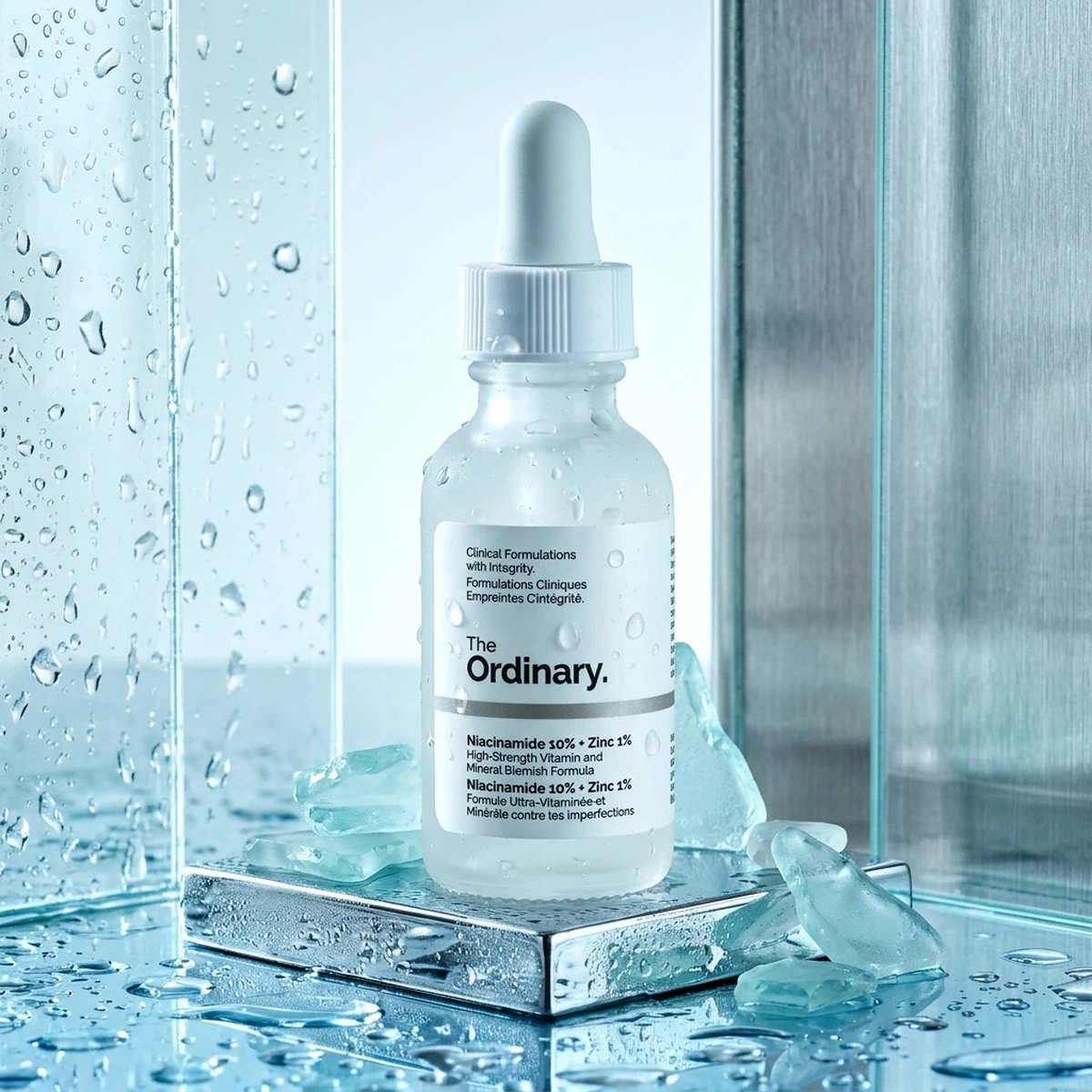
Aggressive cleansers and frequent strong acids can irritate the cheeks, while very rich creams may feel too heavy on an oily T-zone. A practical combination-skin routine keeps shared steps mild and targets stronger products only where they are needed.
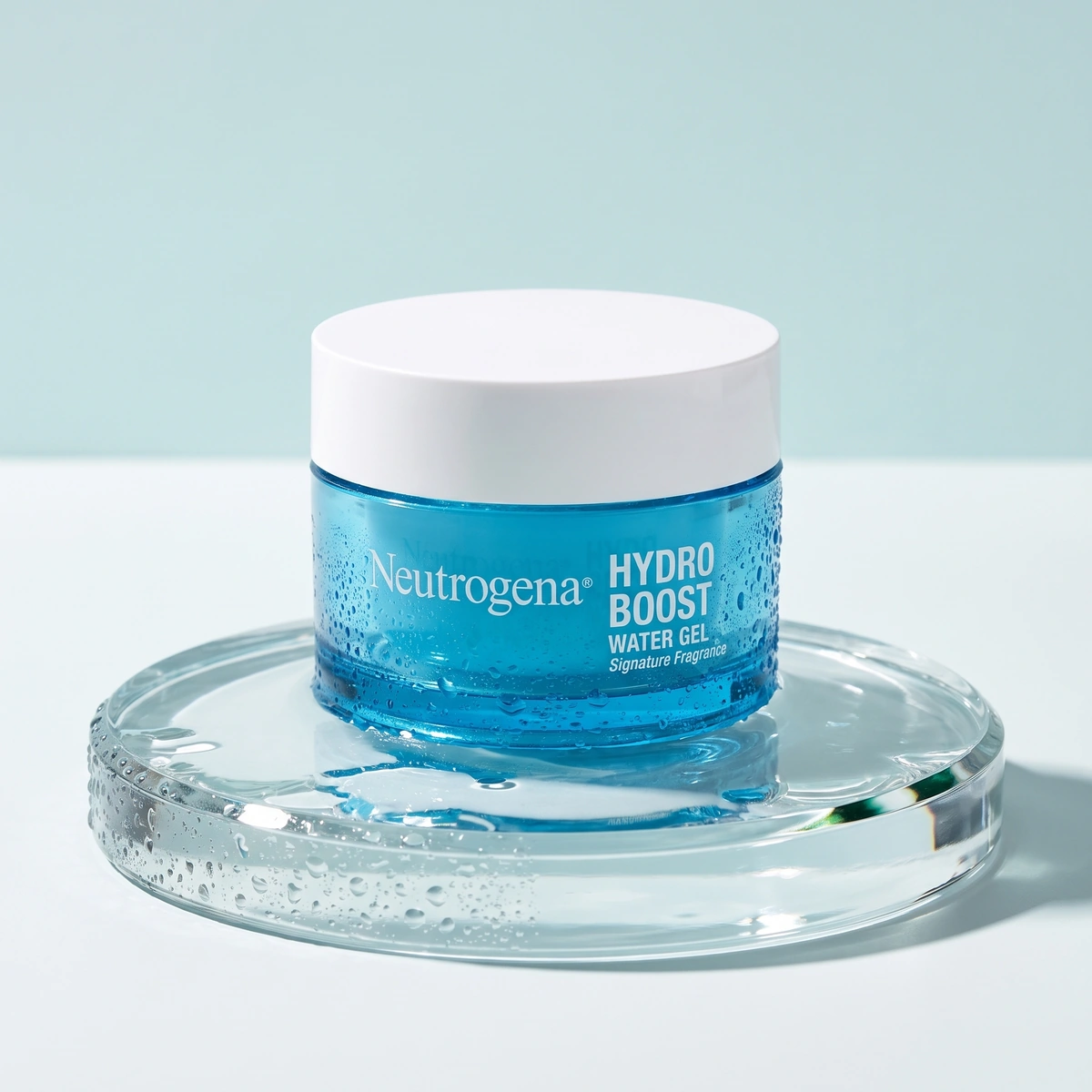
Combination skin also drifts with the seasons. Most people become noticeably drier in winter and oilier in humid summer months. Rather than buying a whole second routine, keep the same cleanser and treatment and change only the final step: a gel-cream in summer, a richer cream layered over the cheeks in winter.