How shaving changes everything about the routine
A razor removes hair and the top layer of the stratum corneum at the same time. That makes shaving a form of physical exfoliation performed three to seven times a week, which is more often than deliberate exfoliation is usually kept to. It is why men's skin can look simultaneously tough and irritated, and why layering a scrub or a daily acid on top of a daily shave so often backfires.
The fix is to treat the shave itself as your exfoliation step and build everything else around recovery. Cleanse first so the beard softens in warm water for a minute or two. Use a genuinely sharp blade — most razor burn is a dull blade problem, not a technique problem — and go with the grain on the first pass. Skip the alcohol-heavy aftershave entirely; the sting is not disinfection, it is a stripped barrier registering a solvent.
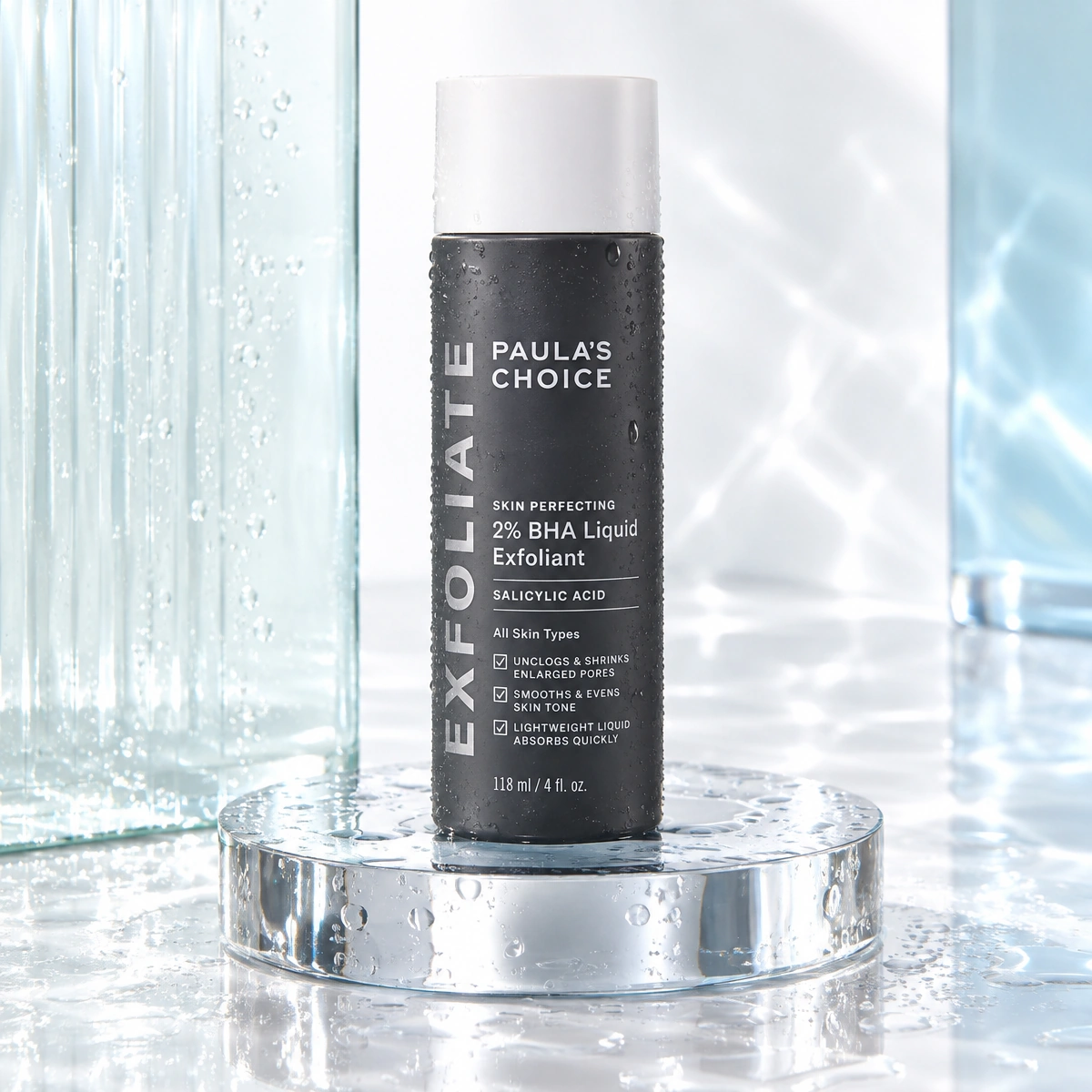
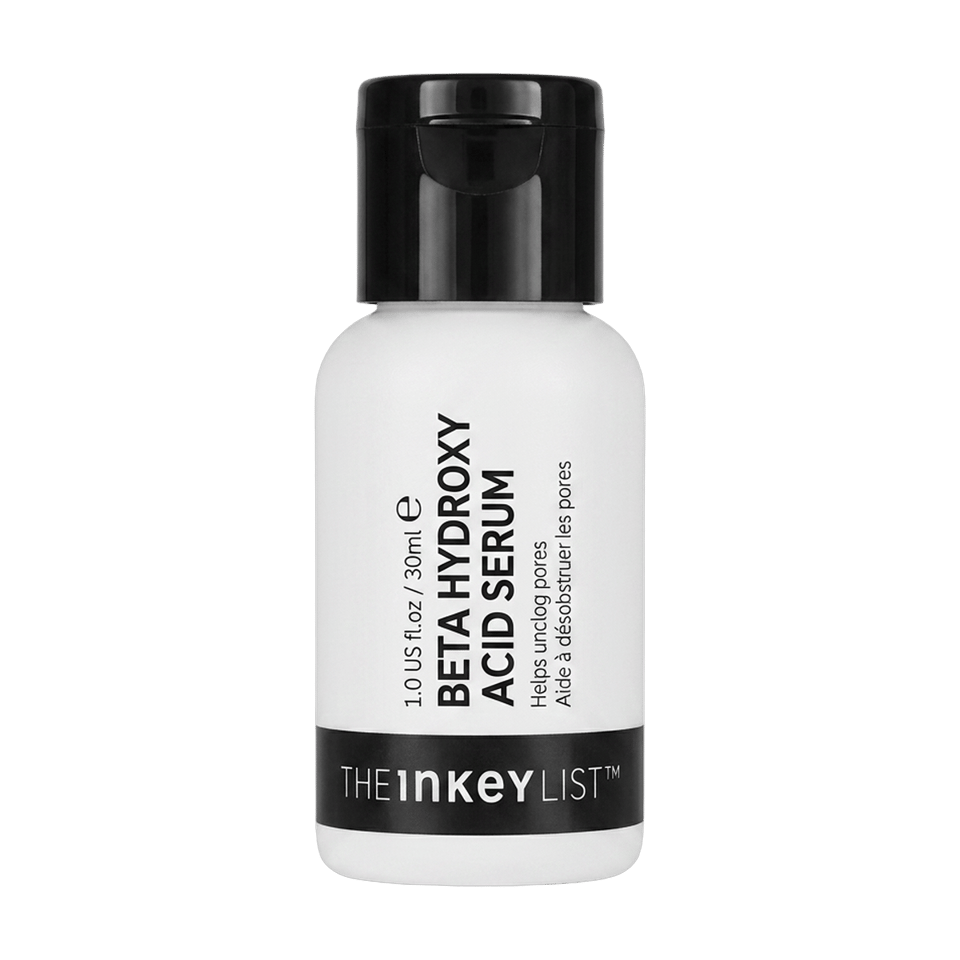
Ingrown hairs are a separate mechanism: coarse, curly hair re-entering the skin after being cut below the surface. Salicylic acid can help keep the follicle opening clear; use it according to the label and your tolerance rather than on a fixed weekly schedule. If you get ingrowns badly, shaving slightly less closely and slightly less often will do more for you than any product.
Thicker, oilier skin needs different textures, not more products
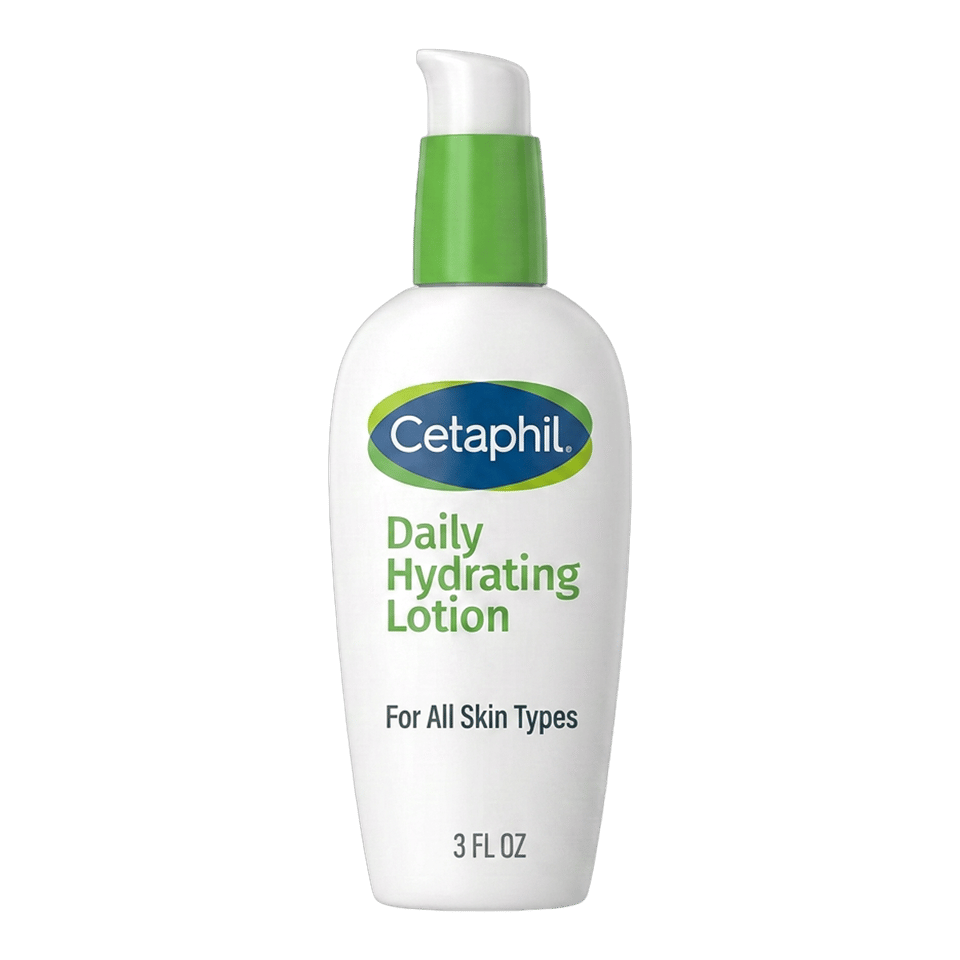
Male skin is on average about 20 to 25 percent thicker than female skin and produces meaningfully more sebum, largely because of androgen-driven sebaceous activity. Practically, that means richer creams feel heavy and often congest, while skipping moisturizer altogether leaves skin dehydrated and, counterintuitively, oilier as it compensates. A lightweight gel-cream is the right texture for most men, morning and night, with something slightly richer only in winter.
Retinoids can help with texture and fine lines, but tolerance varies by person and formula. Start according to the product label or prescriber directions, use moisturizer if helpful, and separate other irritating actives if the combination becomes uncomfortable.
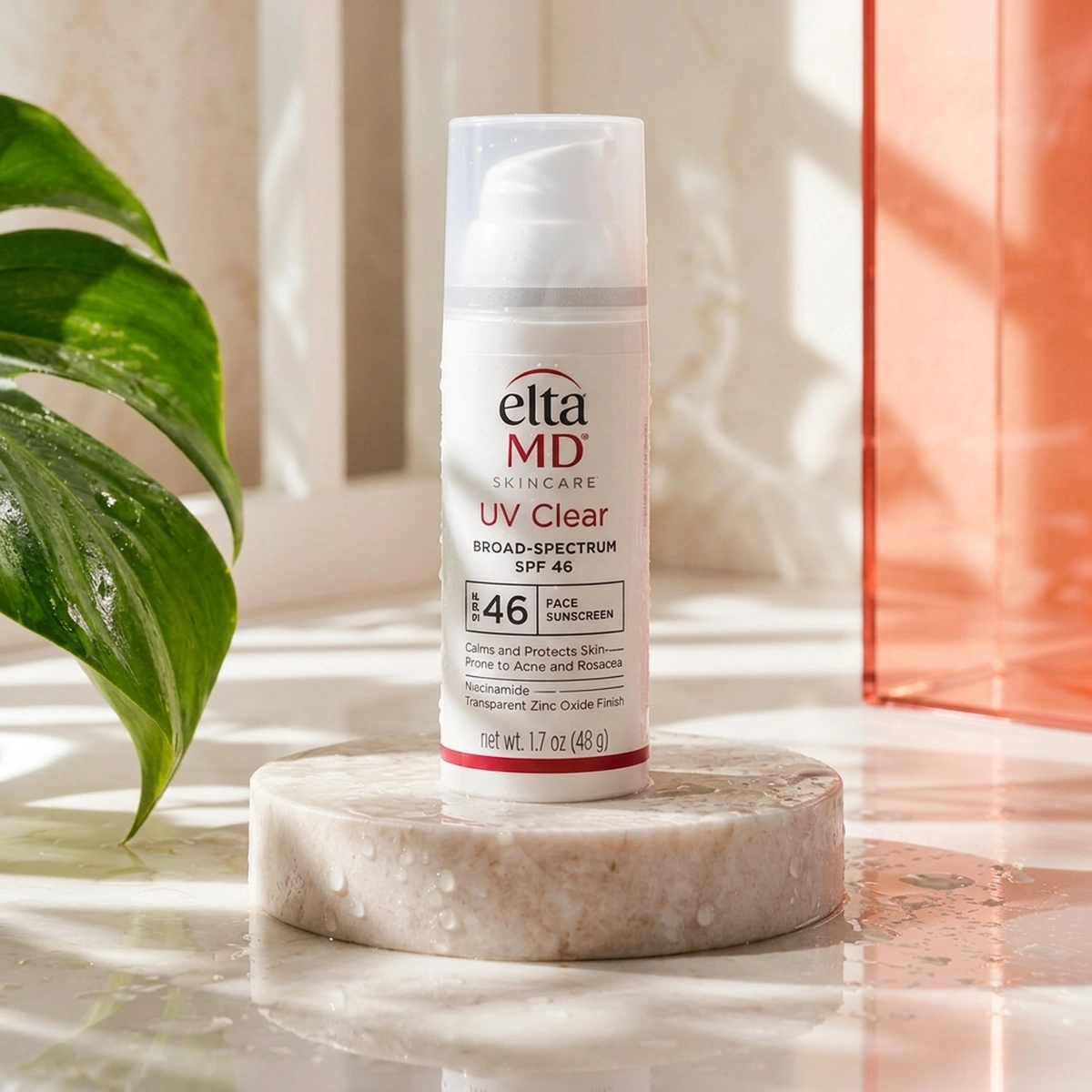
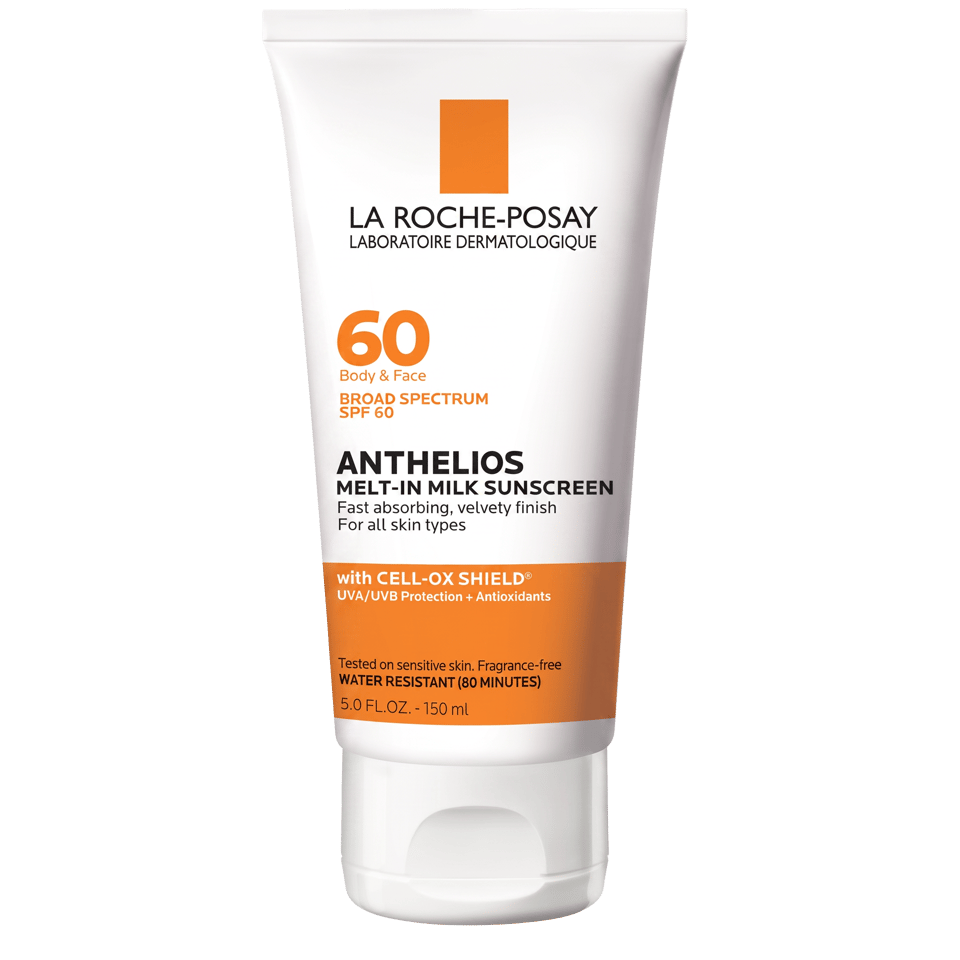
Sunscreen is the step men skip most and the one with the largest measurable payoff. Most visible aging on the face — uneven tone, leathery texture, deep lines at the temples and forehead — is cumulative UV damage, not chronology. A matte or fluid SPF 30 to 50 applied every morning, on desk days as well as beach days, outperforms every anti-aging serum on the market.
The four-week starter plan
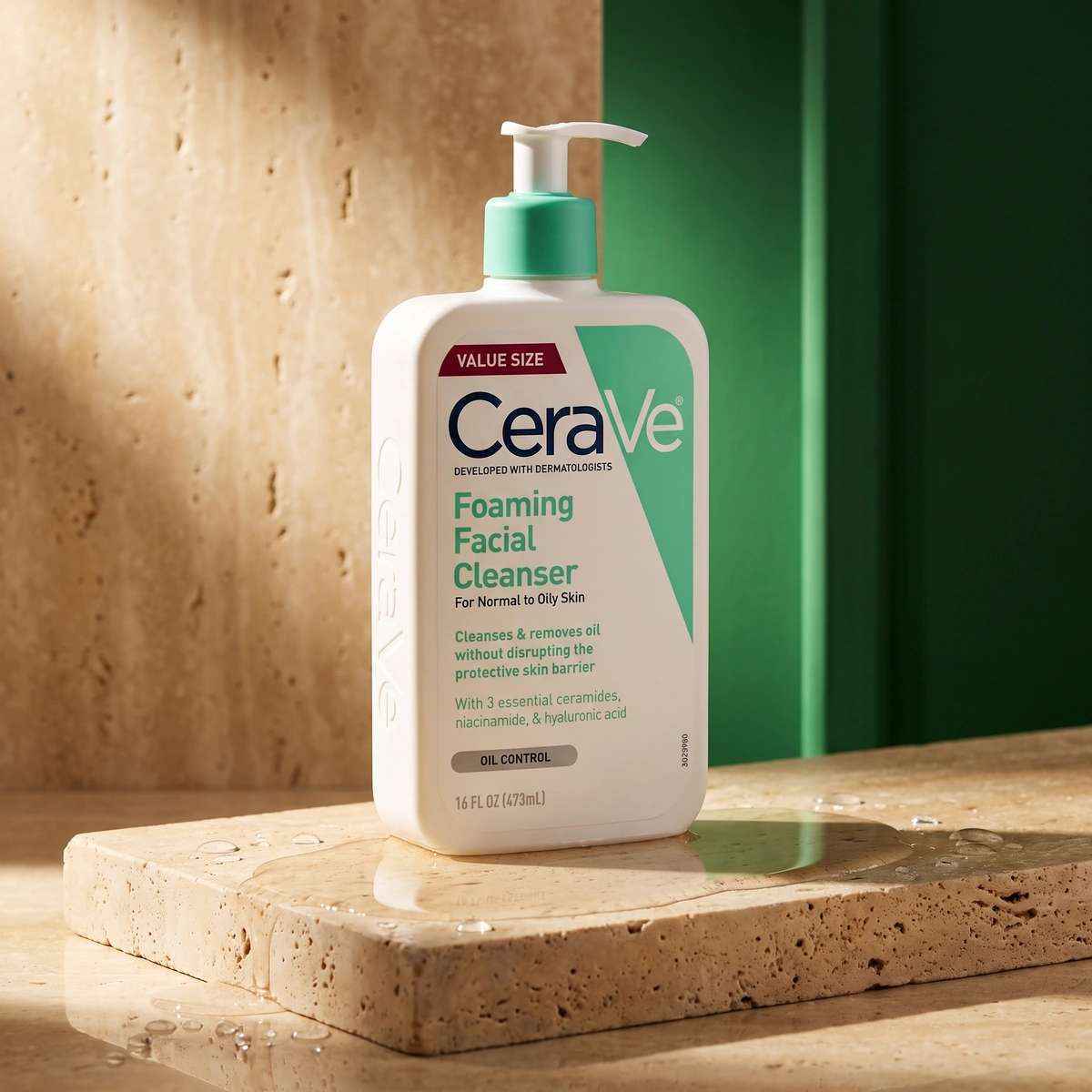
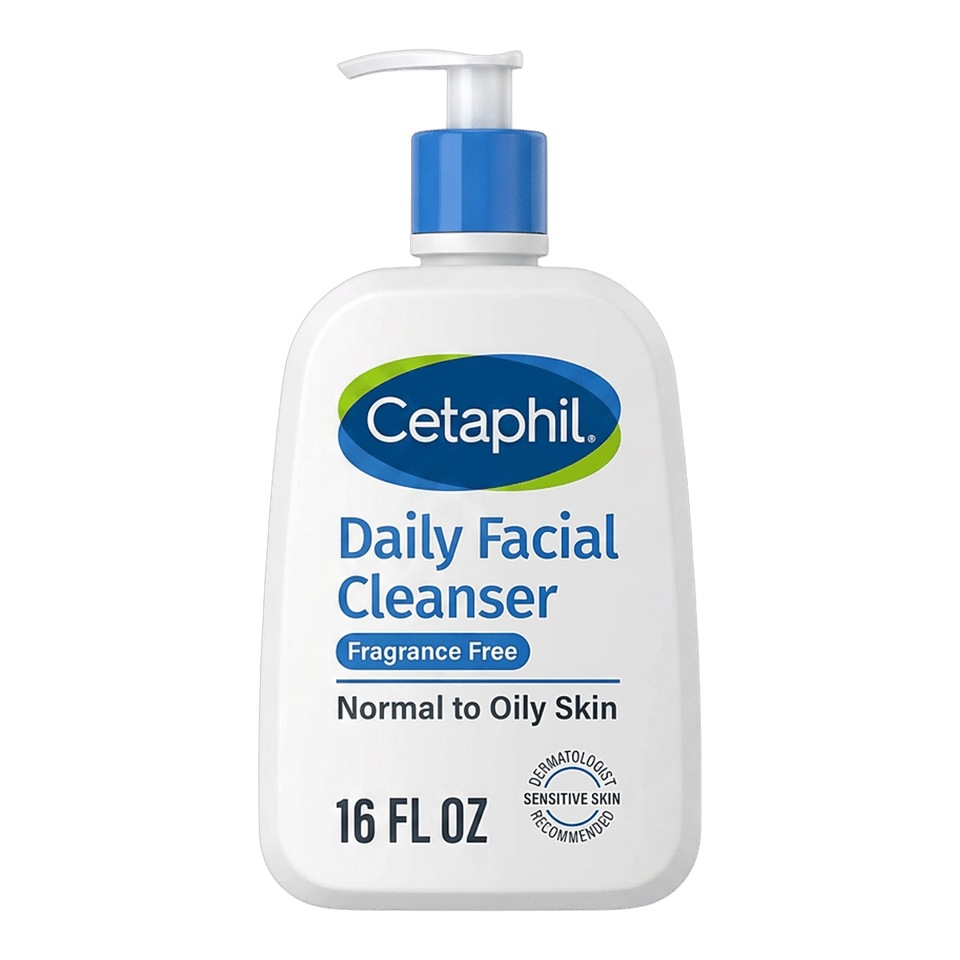
Week one: replace bar soap or body wash with a proper gel face cleanser, morning and night. Bar soaps sit at a high pH and strip the acid mantle, which is one of the most common reasons men's skin feels tight and then turns greasy by noon.
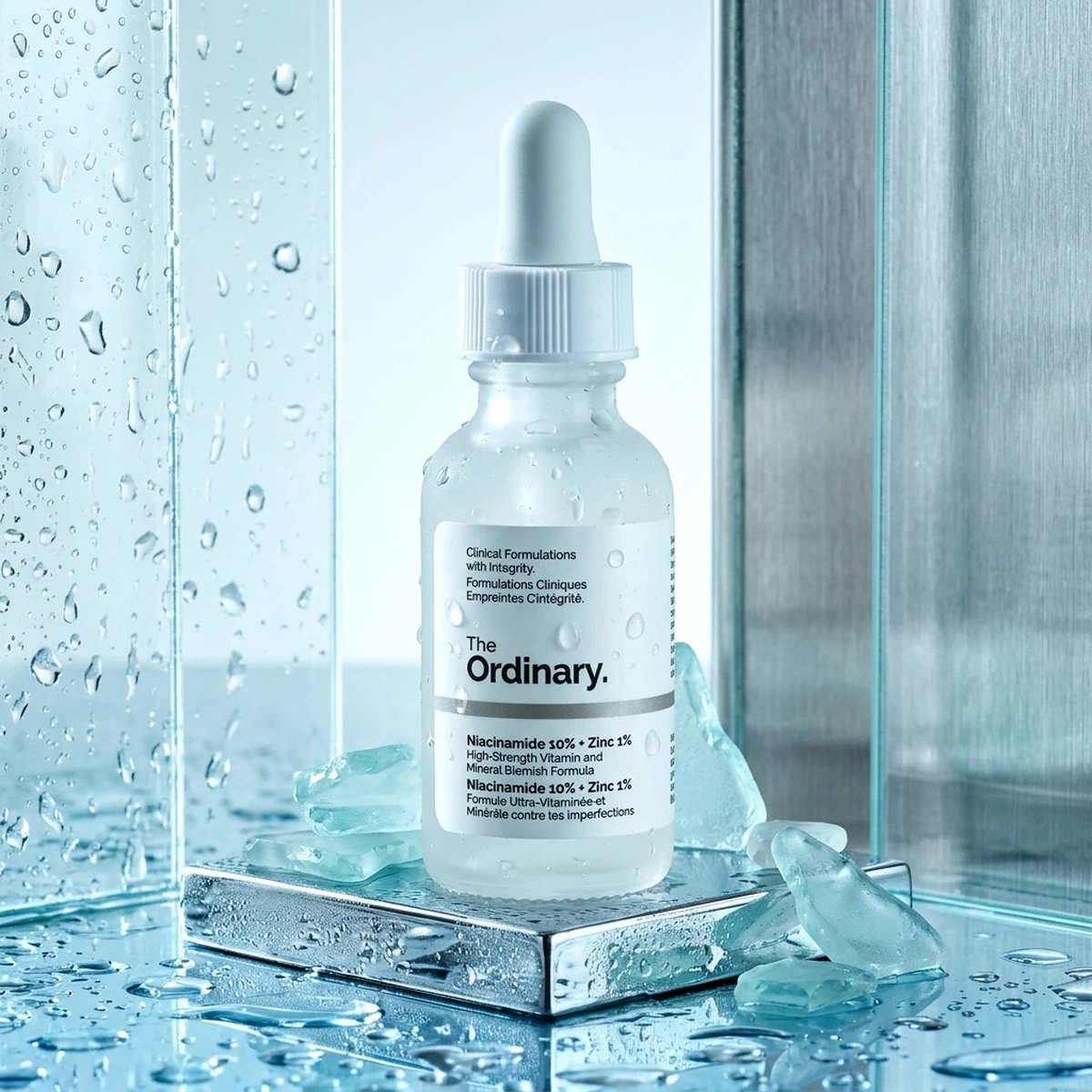
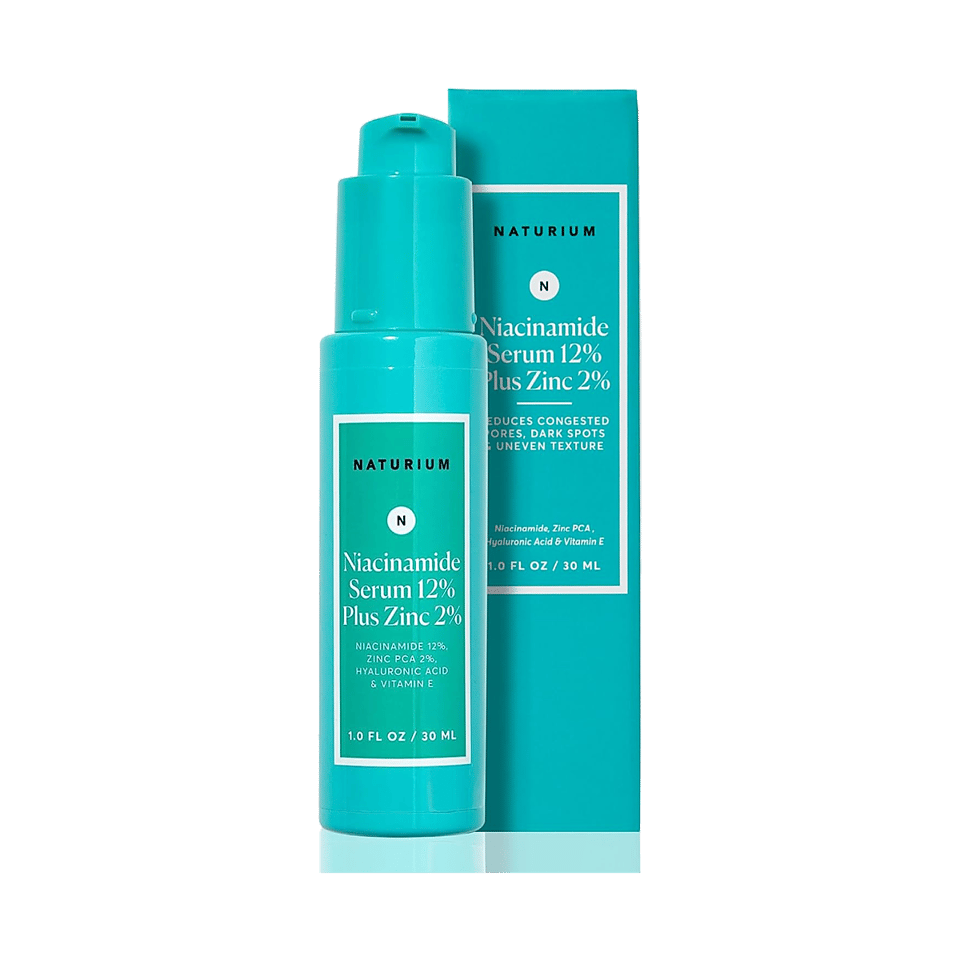
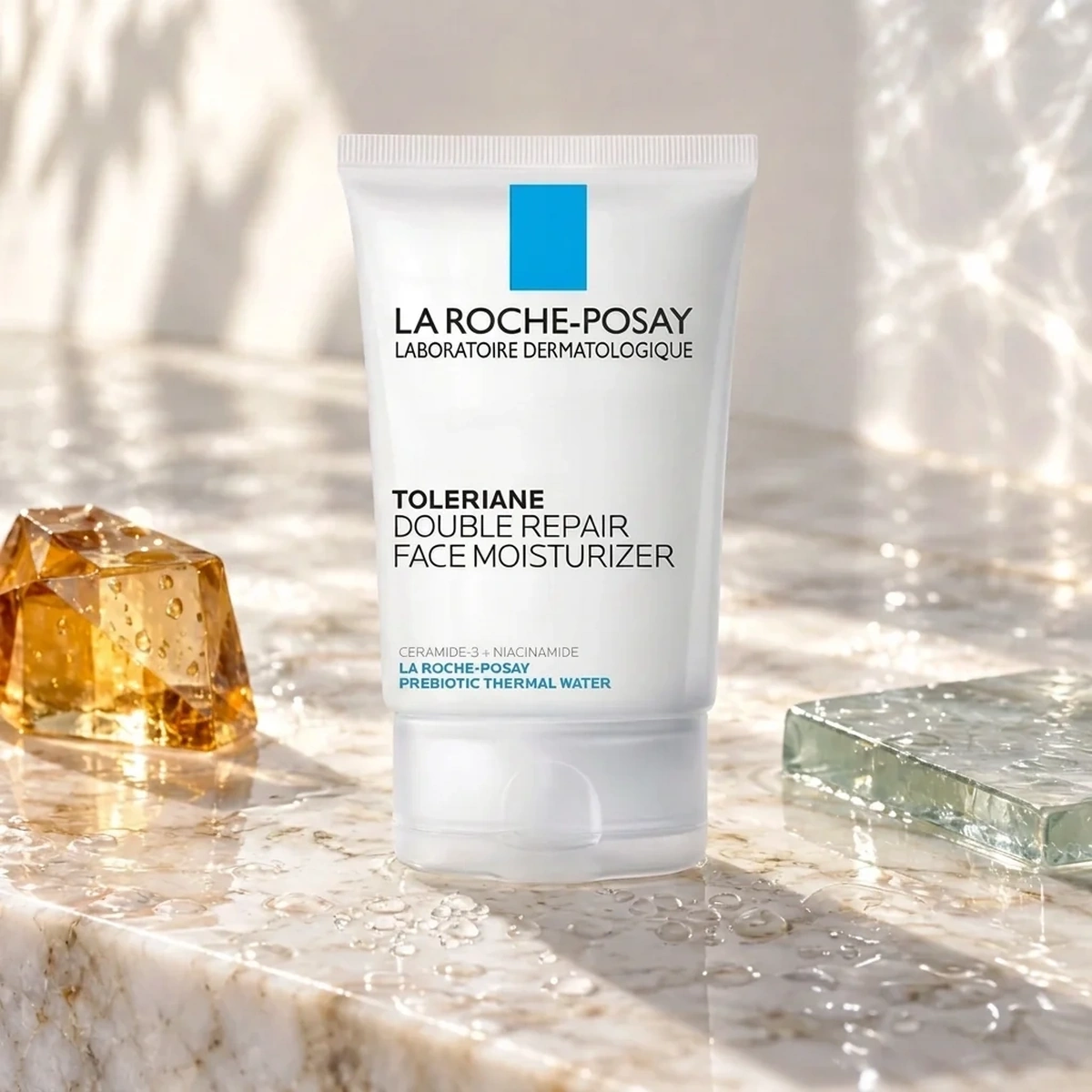
Week two: add a lightweight moisturizer with niacinamide after cleansing, twice a day. Expect less midday shine within about two weeks, not immediately — skin takes time to settle.
Week three: add sunscreen every morning as the last step. Week four: add one treatment for the main concern, then use it according to its label and tolerance. Give the treatment an appropriate trial for that product and concern before changing it again.